







Naginata: A Japanese Martial Art Connecting Tradition and Modern Practice in France
Introduction
Naginata is a traditional Japanese martial art that combines discipline, elegance, and cultural heritage. Originally developed in Japan centuries ago, it has gradually spread internationally. France, in particular, has played a significant role in establishing naginata practice in Europe, creating an active community that continues to grow today.
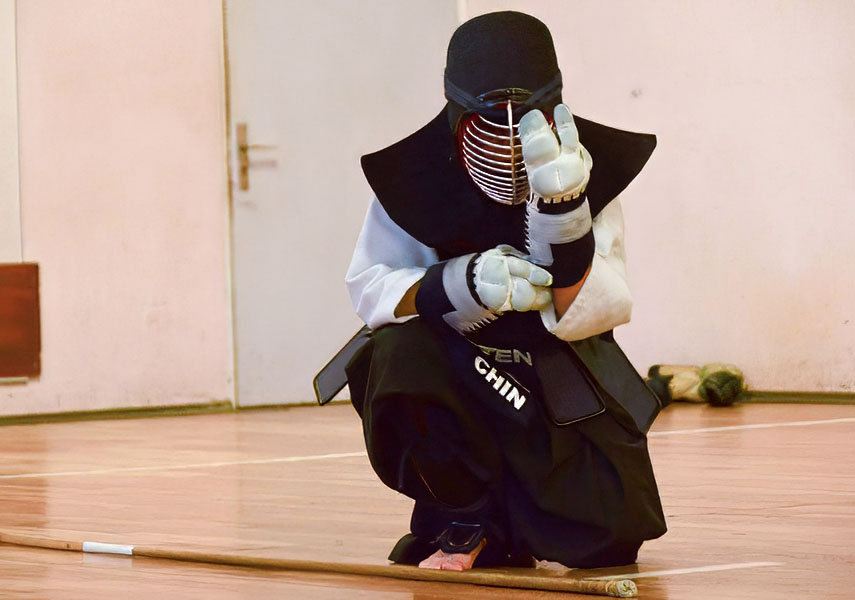
Origins of Naginata in Japan
The naginata is a pole weapon traditionally used by samurai and warrior monks in medieval Japan. Over time, it became especially associated with women of the samurai class, both as a form of self-defense and as a discipline cultivating balance, focus, and composure.
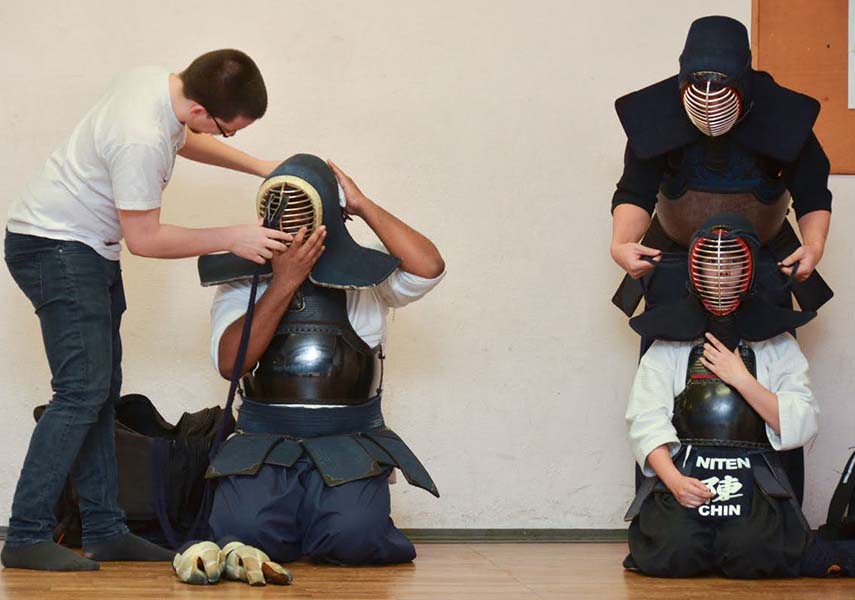
Modern practice, known as *Atarashii Naginata* (“new naginata”), emphasizes physical training, etiquette, and personal development rather than combat. Today it is practiced as a budo (martial way), combining sport, education, and cultural expression.
Introduction of Naginata to France
Naginata was introduced to France in 1973 when the French Kendo Federation sent kendoka Simone Charton to Japan to study the discipline. After reaching a level considered worthy of dan ranking, she returned to France to begin teaching.
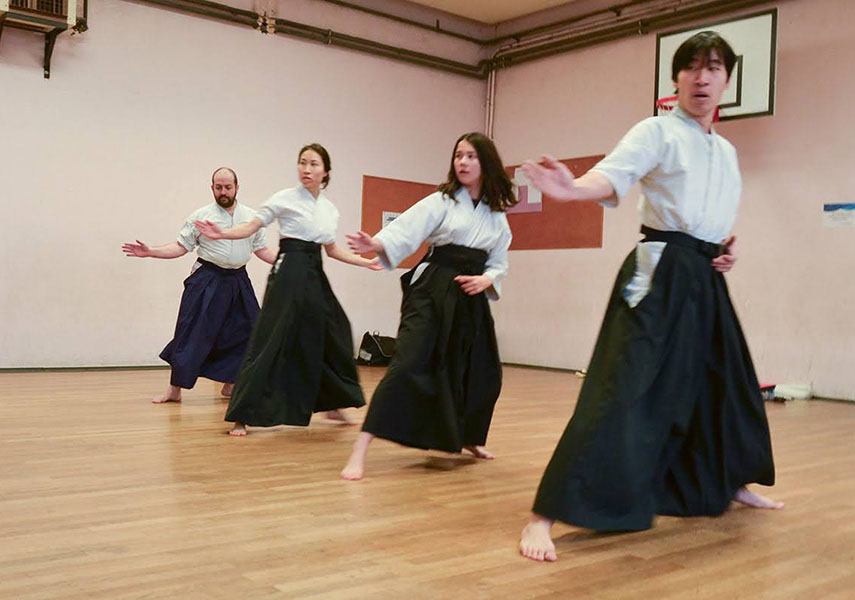
Initially, she was allowed to teach only women. For about a decade, naginata developed primarily as a women’s martial art in France. After this restriction was lifted, training opened to everyone, accelerating its spread.
Building a European Community
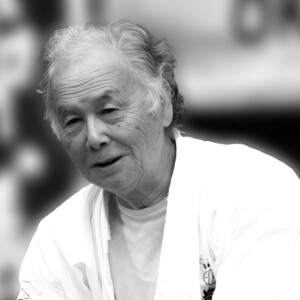
Simone Charton Sensei taught with the goal that her students would eventually become instructors themselves. As a result, most naginata practitioners in France trace their lineage directly or indirectly to her teaching. Neighboring countries, including Belgium, also benefited from this early development.
Japanese instructors played a crucial supporting role in maintaining technical accuracy and cultural authenticity. One notable legacy is the Tokunaga Cup, an annual event honoring a Japanese teacher who contributed significantly to European naginata practice.
France in the International Naginata Scene
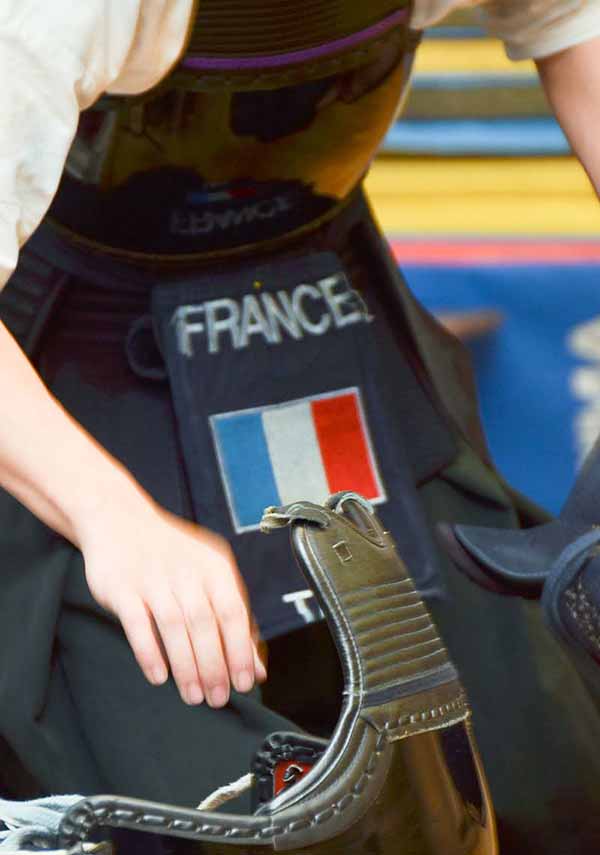
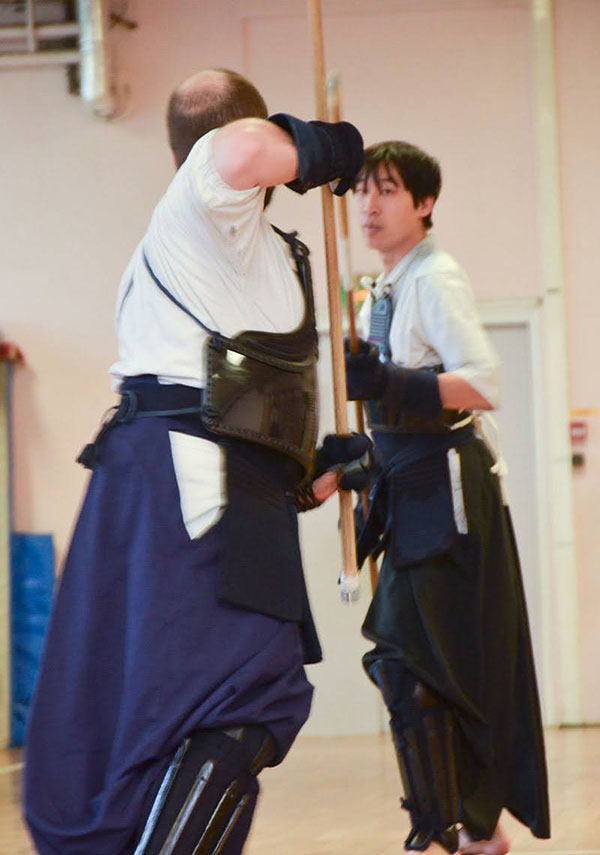
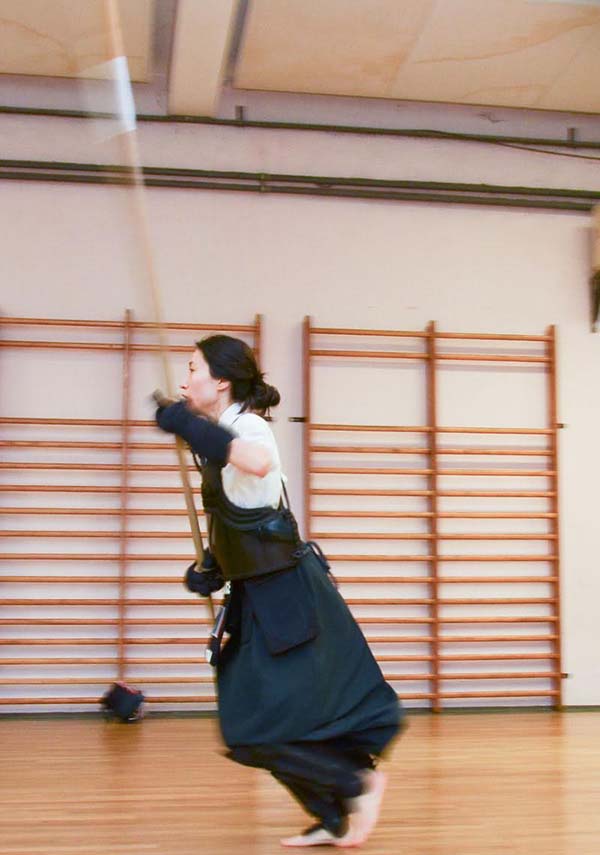
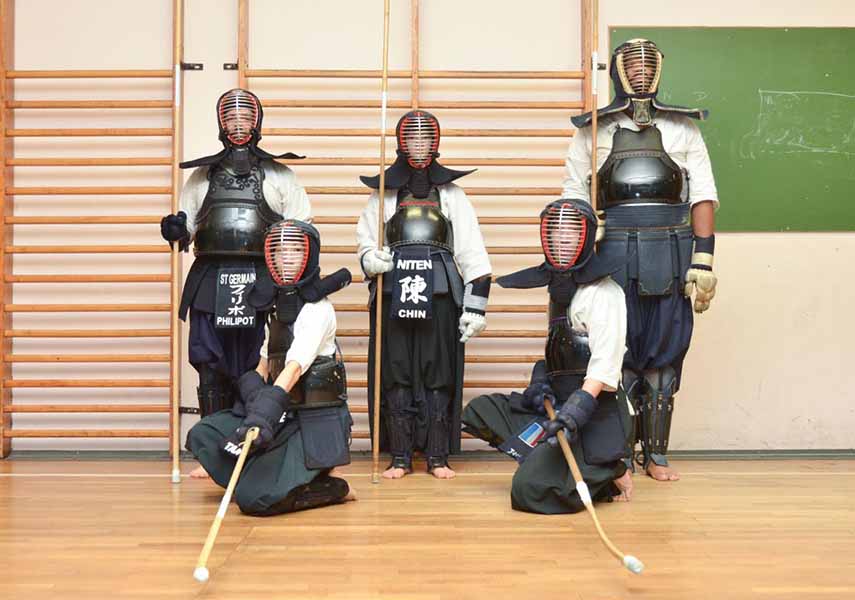
France was the first European country to adopt naginata and still has one of the largest communities outside Japan. French practitioners have competed internationally, sometimes sharing podium places with Japanese and American athletes at World Naginata Championships.
Cultural Exchange Through Martial Arts
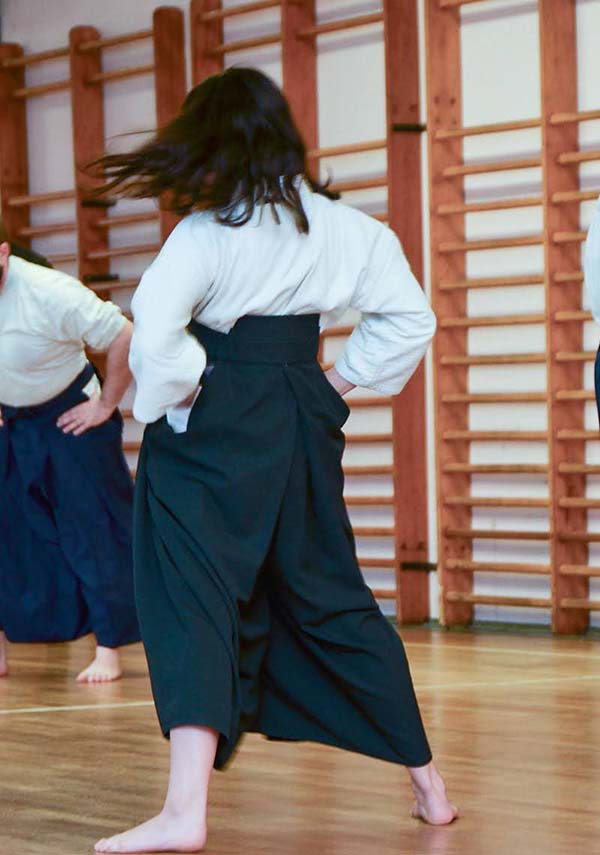
Naginata practice in France is not only a sport but also a cultural bridge. It connects practitioners to Japanese etiquette, philosophy, and aesthetics while fostering international friendships.
Conclusion
From its origins in Japanese warrior culture to its modern practice in France, naginata illustrates how tradition can travel across cultures while retaining meaning. Its continued growth reflects both respect for Japanese heritage and the universal appeal of disciplined, mindful physical practice.
As international cultural exchange expands, naginata remains a powerful example of how martial arts can connect people, histories, and perspectives across borders.
Text & Photography: Mariko Akimoto



 English
  日本語
日本語  Français
No comments yet.