



A Chance Photograph Is Not Skill: Nishimoto Kazutami and Yūbijuku
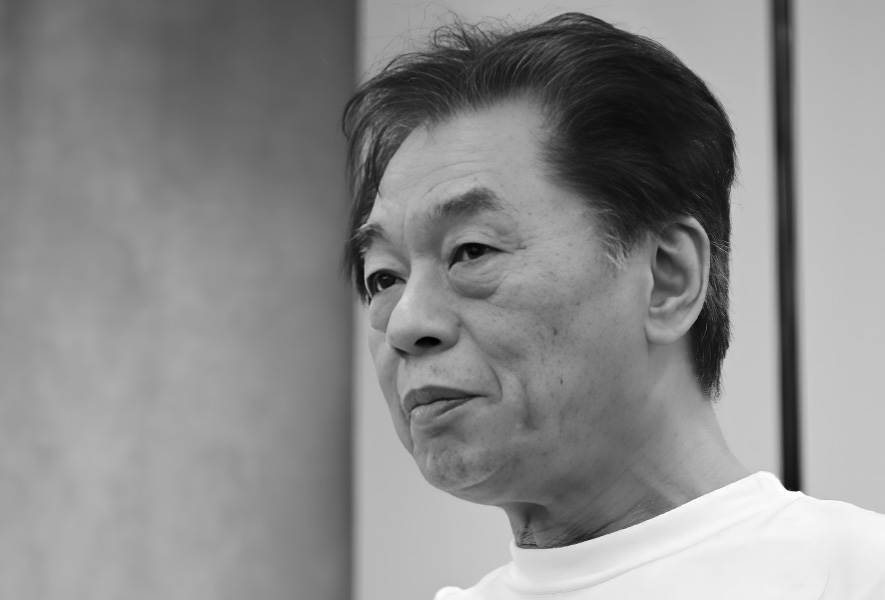
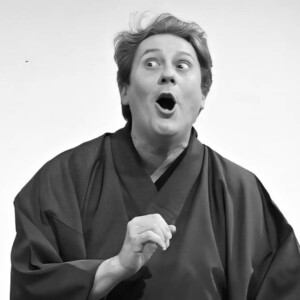
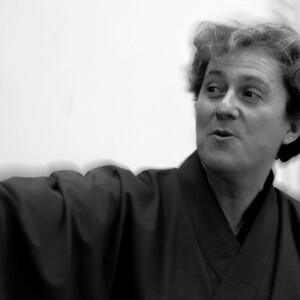
Nishimoto Kazutami, who runs the photography school Yūbijuku, spent many years working with images from the side that presents them, long before he taught anyone to make them. After graduating from Kanazawa College of Art, he worked in advertising and the record industry in Tokyo, then set out on his own as an art director. He created album covers for many of Japan’s defining musicians, including CHAGE&ASKA, B’z, THE ALFEE, Koji Kikkawa and Koji Tamaki, and is known as one of the most prolific record-jacket designers in the country. In 1995 he published MIND, a collection drawn from that work.
Because he had handled so many photographs, he understood the weight of a single one. It was the sense, on the design floor, that a satisfying photograph was hard to come by that led him to start taking pictures himself. Yūbijuku, which he opened in 1997, grew out of that.
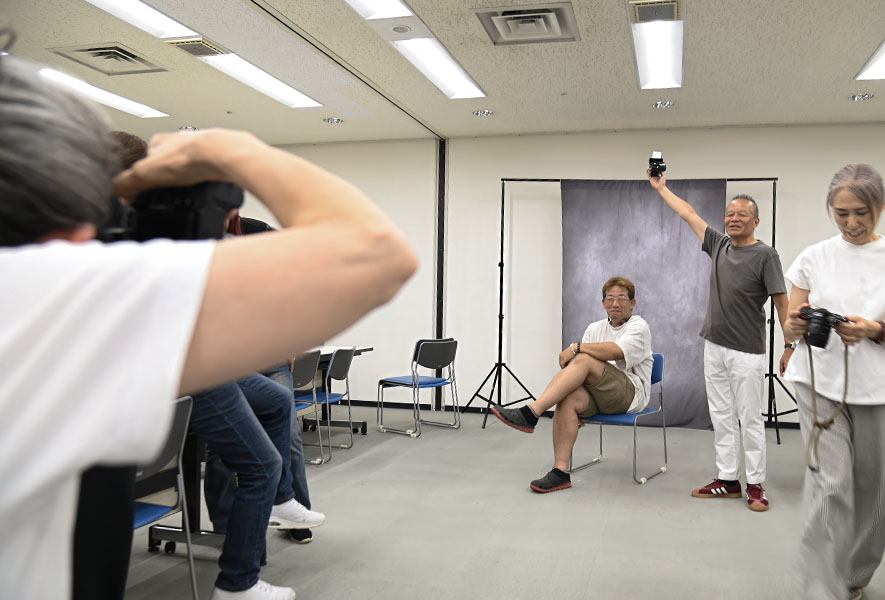
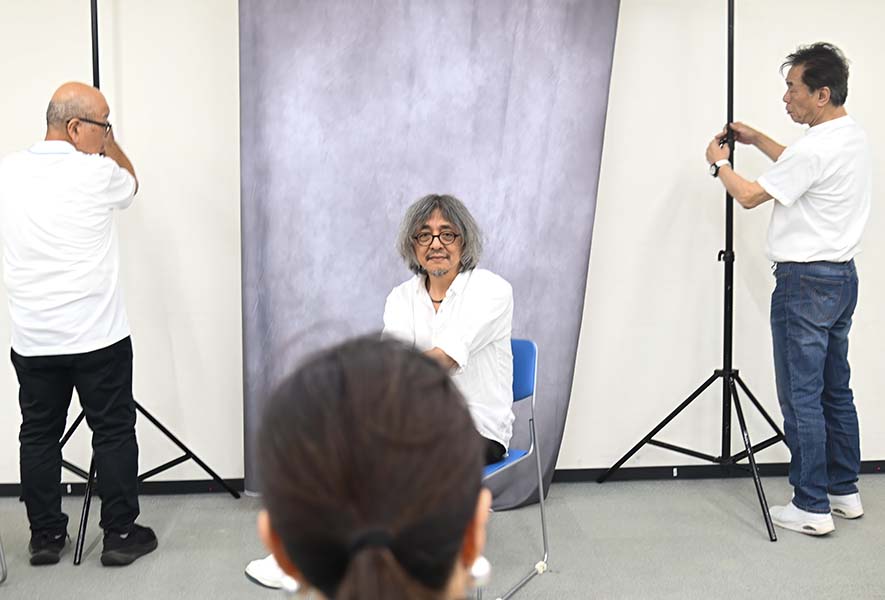
A Chance Photograph Is Not Skill
At the core of Yūbijuku lies one clear idea: a chance photograph, one that comes from pressing the shutter without thought, is not skill. A good picture taken by luck leaves no guarantee that the same thing can be taken again. It leads only to wasted time and a stream of work whose quality never settles.
What Nishimoto teaches is not where to shoot from, but how to shoot. The camera is only a tool; what needs training is the mind. Look closely, picture what a given approach will produce, and try it. It is after moving back and forth between observation and practice, many times over, that a steady form of expression begins to grow, what might be called a stable individuality. Yūbijuku is known as a photography school unlike any other because it keeps this order intact.
Solving the Assignment as a Group
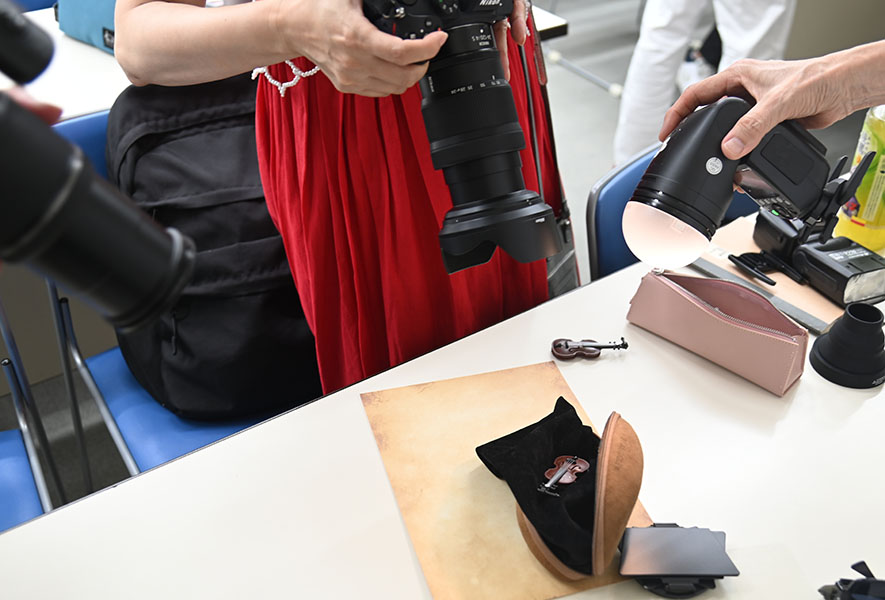
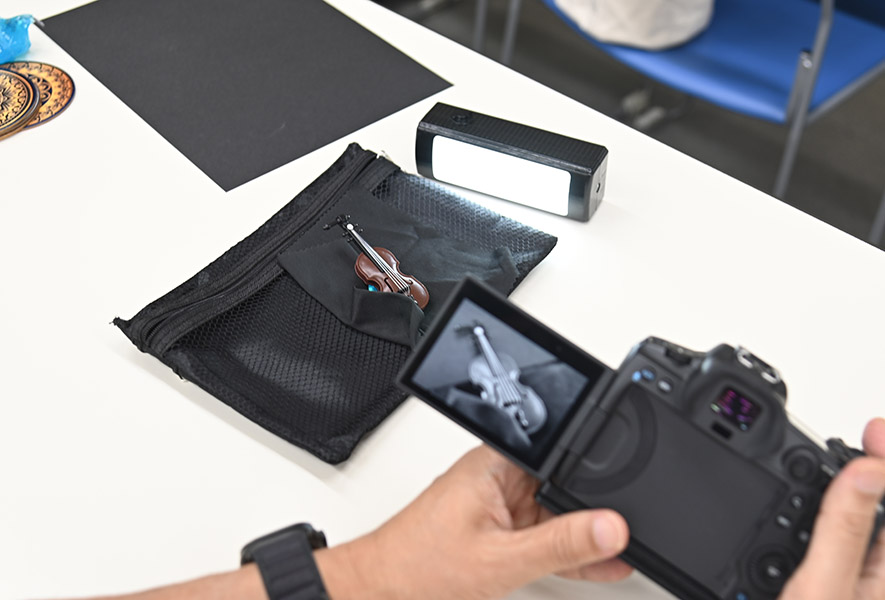
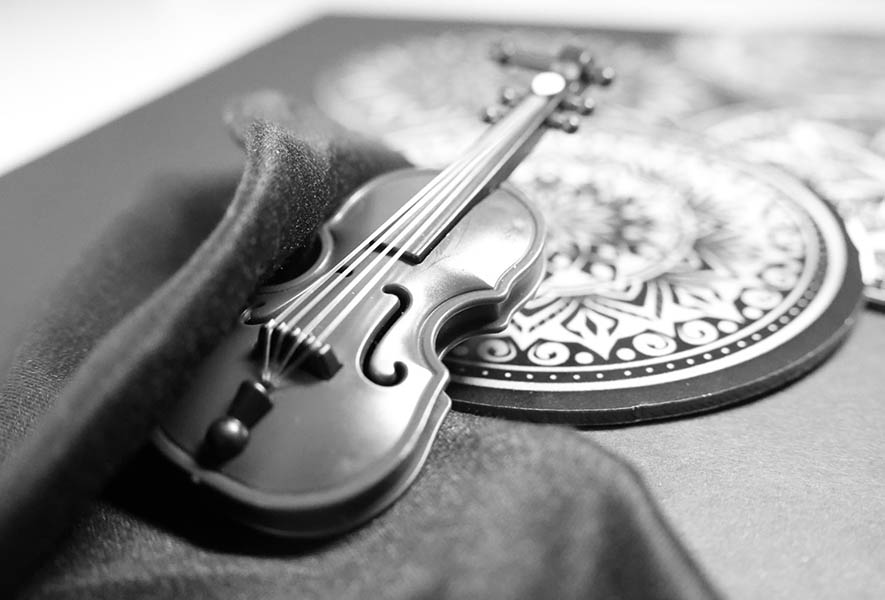
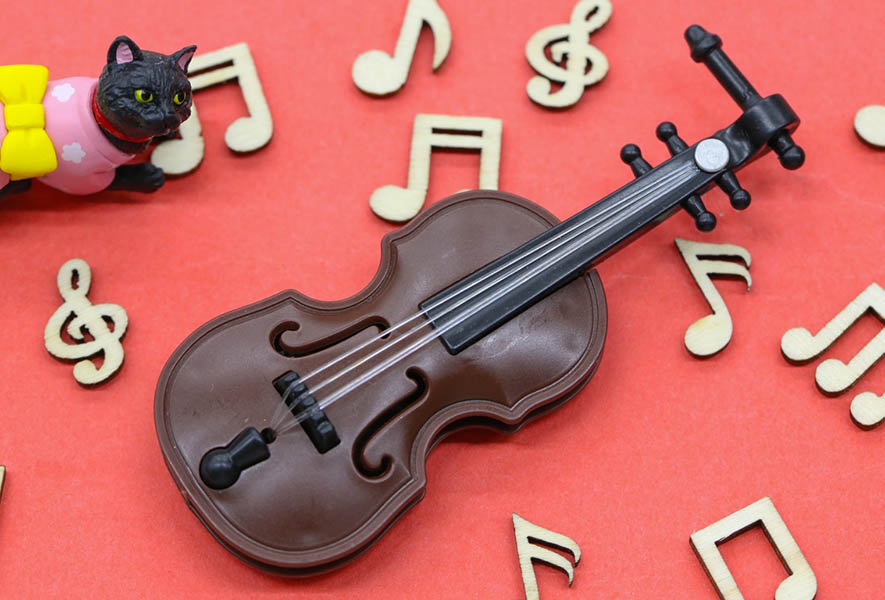
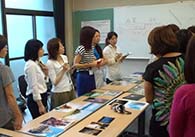
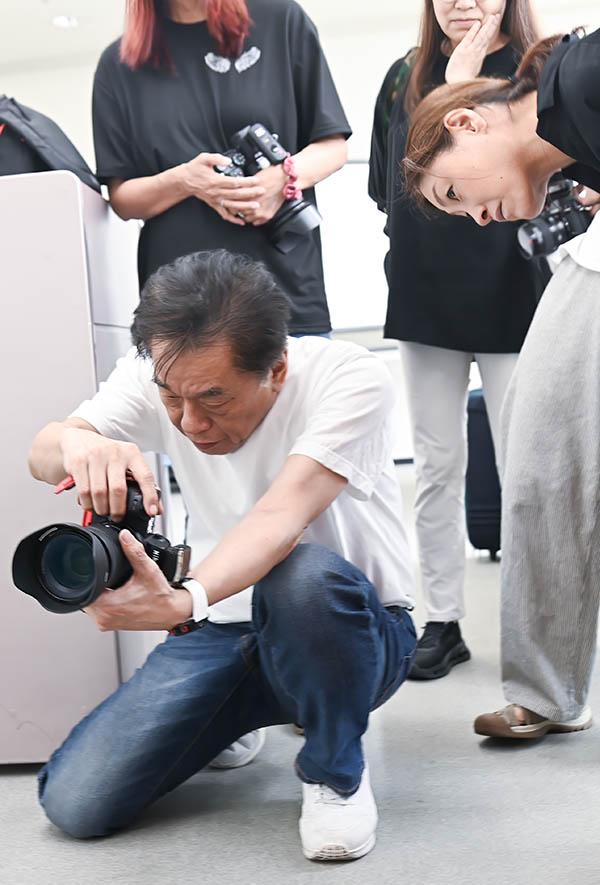
At Yūbijuku, students work through each assignment in groups. Given the same theme, every team arrives at a different way of shooting, and the results carry the individuality of each person plainly. Seeing how others solve the problem widens one’s own range of expression. Rather than drilling technique first, the school creates a space where sensibility can move. The breadth of expression and the habit of observation that supports it grow together.
Nishimoto says that while photographs can be skilled or unskilled, there is no good or bad. A conventional, proper photograph and a good photograph, one that catches the viewer’s feeling in an instant, are not the same thing. So students spend their time not tracing the right answer, but sharpening the way they themselves see.
Nishimoto Kimiko, His Mother, as Proof
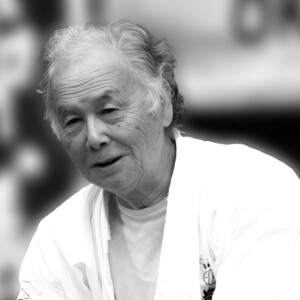
The most widely known demonstration of what this method cultivates was his mother, Kimiko (1928–2025). At seventy-two she entered her son’s school as its oldest member, in the third cohort. It was the first time she had ever held a camera.
The humorous self-portraits that became her signature came from a Yūbijuku assignment: photographing yourself, with all its amusement and embarrassment. They were not accidents. She would look closely at what she wanted to photograph, picture it in flight, or, with two birds, imagine a parent and child out walking, and settle on the colors that would suit before she shot. The computer frightened her at first, but with repetition her hands remembered. She would try things on layers, erase them, add them again. Repeating without fear was what made her expression steady.
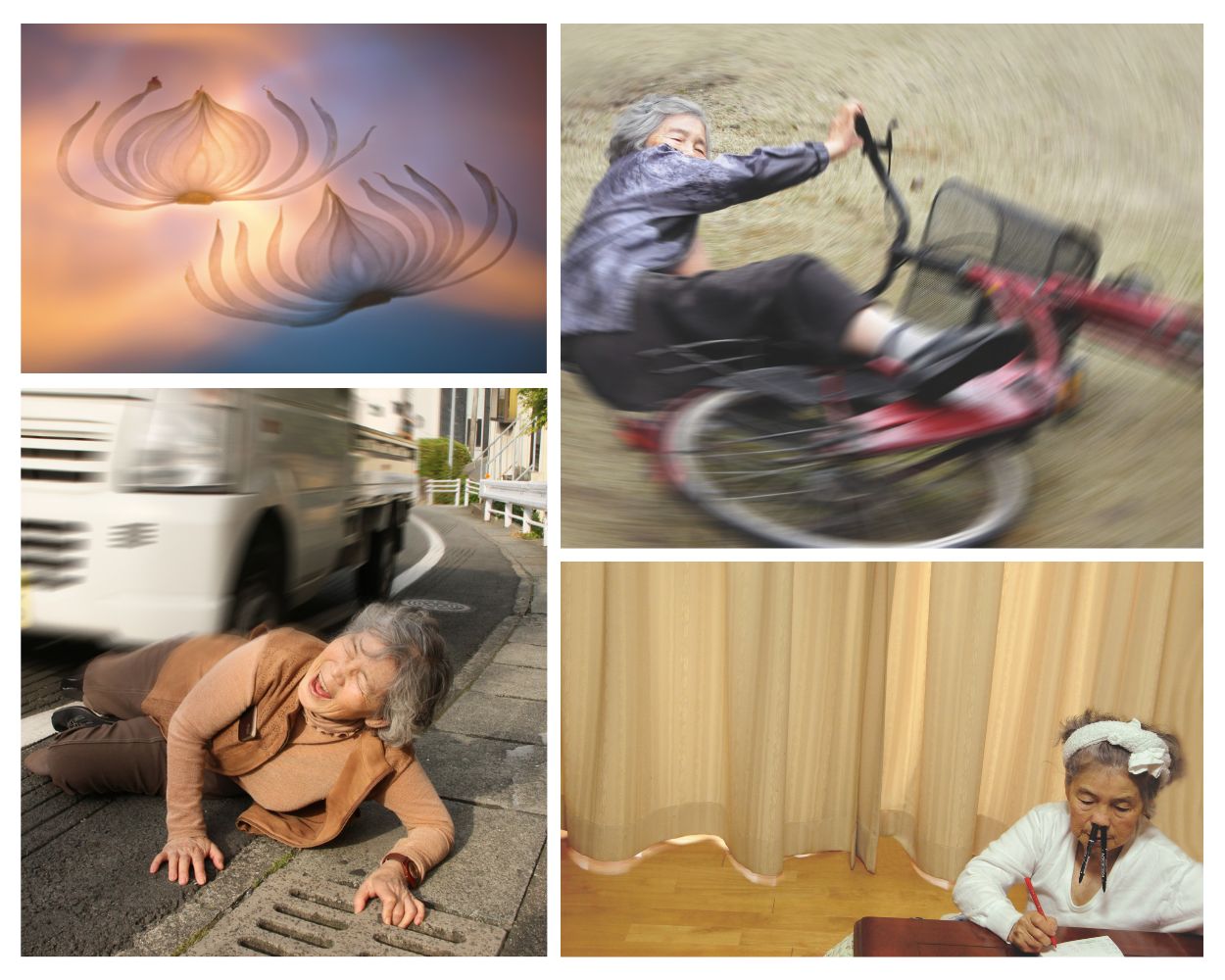
Part of that process has been published in an Adobe tutorial. A single New Year’s card image is built by layering the base photograph over a background frame shot at the same angle, erasing what is unwanted, compositing in the birds, and finally placing the text. It is a record of constructed work, the opposite of a chance photograph. The process can be followed in Lightroom and Photoshop techniques by the 88-year-old photographer Nishimoto Kimiko (Adobe, in Japanese).
Her work spread beyond Japan, and hundreds of thousands came to wait for each update on Instagram. It was through talking with her companions, she once said, that the things she wanted to photograph kept multiplying, one “let’s try that next” after another. Photography brought people with it. Until she passed away in June 2025 at ninety-seven, the way she took pleasure in it never changed.
What Remains Is the Way of Seeing
When Kimiko died, Kazutami wrote only a few words: it had been a photographic life of twenty-five years, and he was truly grateful. There is nothing showy in them. What remains is simply the fact that one person went on photographing, without faltering, from seventy-two to ninety-seven.
What Yūbijuku hands on is not a single well-made photograph. It is the way of seeing itself: looking closely, picturing, and trying. As long as the one who photographs is alive, it keeps working within them. Not waiting for chance, but cultivating one’s own way of seeing. What Nishimoto Kazutami has shown over many years is a quiet, dependable method for exactly that.
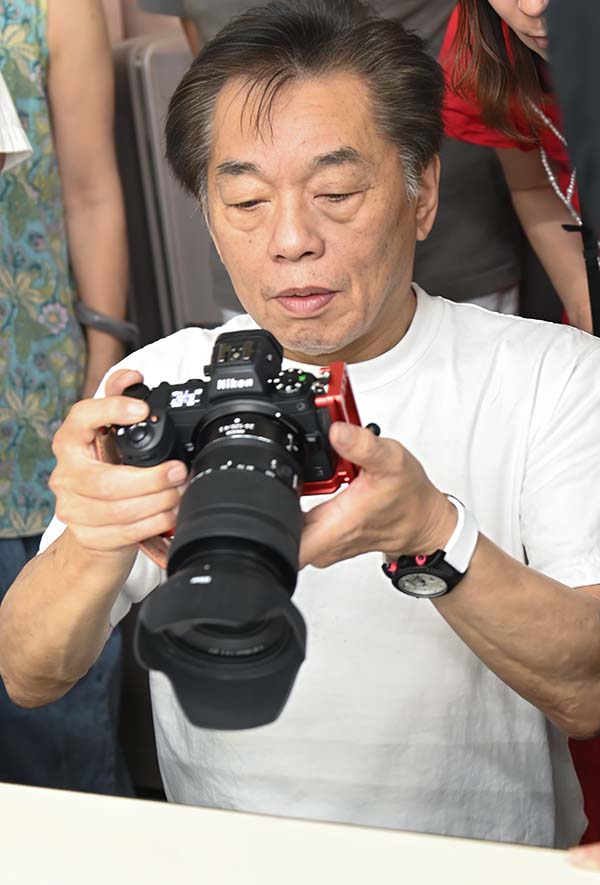
Interview and text by Mariko A., Studio Tales


 English
  日本語
日本語  Français