




Daichi Monden — What Remains After the Festival
Born in Hatsukaichi, Hiroshima, Daichi Monden never left this land. Nearly forty years in television, and the years since he founded his own company. While so many set their sights on the capital, Monden stayed, and made the times where people gathered in this city. Yet the truest shape of his work shows not in the crowds themselves, but in what appears once they have gone — what remained after the festival ended, after the broadcast fell silent.
Two hundred thousand people, and what came after
In 1987, Monden launched the Hiroshima Castle Autumn Festival as its producer. Two hundred thousand people over two days. But what he really raised was not an attendance figure — it was a question: let us make the water of the castle moat clean again. In those years the moat was murky, and it smelled. What began as a mere festival slogan went on to move the Ministry of Land, Infrastructure and Transport and the City of Hiroshima, and was realized as engineering work that drew a channel from the Ōta River. A festival lasts two days. The clear water of the moat remained long after.
The event ends; it takes root in the city
This pattern returns again and again in Monden’s work. The first Hiroshima Food Festival, which he launched in 2005, drew 780,000 people over two days, and it continues to this day. The castle moat sightseeing boats he ran alongside it as an experiment later became an official program of the City of Hiroshima. It was the same in television. There was After-School Bulletin, hosted by Hideyuki Nakayama; there was Weekly Papa Time, which ran for twelve years and reached a peak rating of 33.1 percent. KENJIN, the late-night program he started in 1997, became a place where a young Hiroyuki Ariyoshi gathered his strength, and its in-house band, fronted by Kōji Kikkawa, reached variety shows across the country. What Monden made looked like one-time events, yet much of it stayed on — inside the city, and inside its people.
A conviction he named “chihōryoku”
Why Hiroshima? Monden has crystallized his answer in a single phrase: chihōryoku, the power of the local. In the regions, he holds, lie seeds of success more within reach than any in Tokyo — by population, he reckons, the odds of becoming the best in Hiroshima are roughly five times those in the capital. The regions are not a place to give up on; they are a place to win. That conviction is what has kept him in Hiroshima all along.
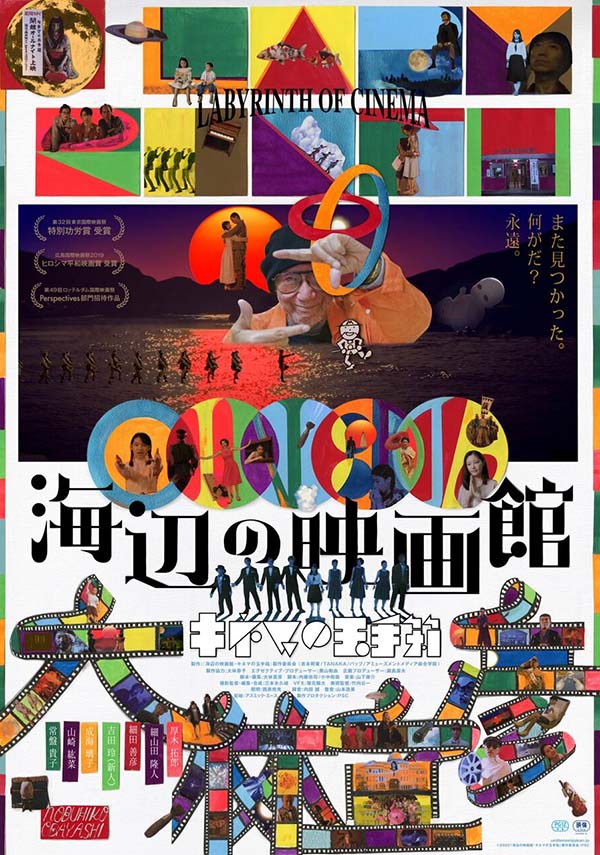
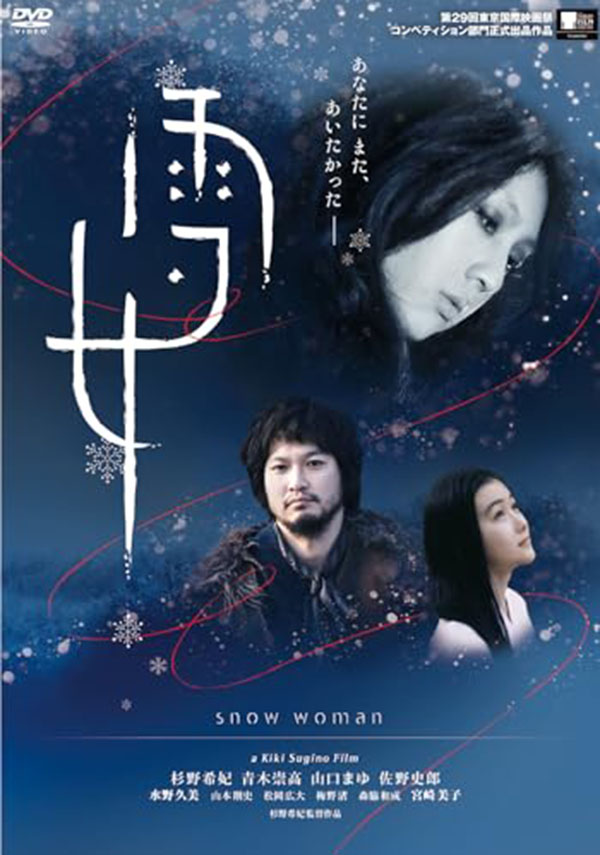
“Bringing the regions to life through film” became his life’s work. Itoshi no Hinagon, shot entirely in Saijō, Hiroshima, on the theme of municipal mergers; Yuki-onna (Snow Woman), invited to the Tokyo International Film Festival; and Labyrinth of Cinema, the final film of director Nobuhiko Obayashi. To make seven nationally released films while living in Hiroshima was, in its way, an attempt to turn the land and its people into something that stays: film.
And now — at EarthMotion
In 2018, Monden founded EarthMotion, Inc. The stage moved from a broadcaster to his own company, but the core of what he does did not change. The tool in his hands now is the moving image. Building on the craft of picture-making he honed in film, EarthMotion produces brand movies for companies, music videos, wedding records, cinematic portraits of people — all of it, in the end, the work of keeping a moment in a form you can return to, again and again. Just as a festival once left clean water behind and a program once raised the people who worked on it, Monden now records the people and the hours of Hiroshima through video, the most direct means of keeping there is.
The weekly kagura performances he began in 2014 at the Hiroshima Prefectural Culture Center still light up every Wednesday evening, more than a decade on. Monden has also spoken to younger generations about “how to seize a dream” at local universities, beginning with Hiroshima University of Economics. To keep, and to hand on. Even in the form of a company, that outline has not changed in the slightest.
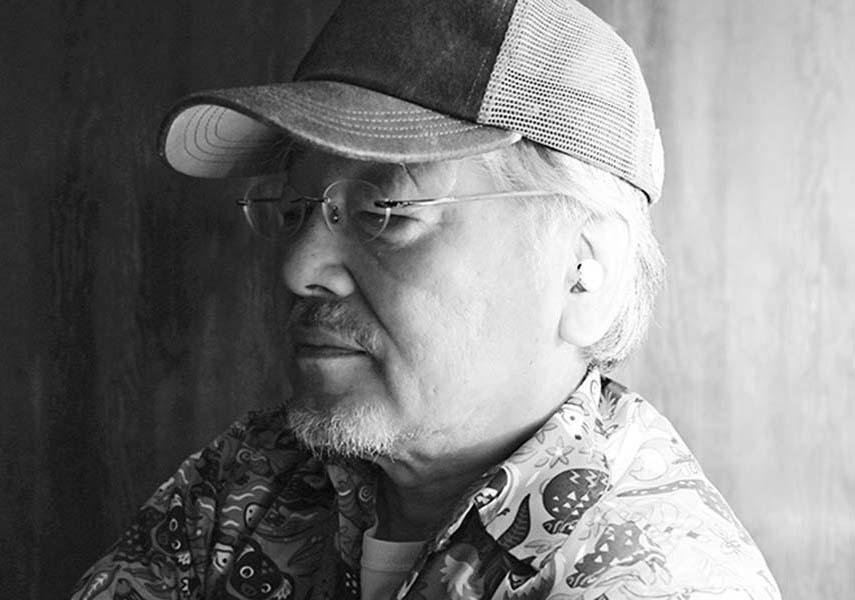
On his profile, Monden writes plainly: from Hatsukaichi, a local producer who would love to bring Hiroshima to life through the power of the local. True to the man who calls himself someone who does what he says, what he has built up in Hiroshima is not the programs, the films, or the festivals, but the memory that people were truly here. Daichi Monden goes on doing the work of keeping that memory — now at a place called EarthMotion, in the form of the moving image — in the same city he has never left.
Links
EarthMotion, Inc. — Hiroshima, Japan
Website: https://www.earthmotion.net/
Contact: info@earthmotion.net
Instagram: @daichihiroshima
Facebook: facebook.com/daichi.monden
X (Twitter): @pokopenmon
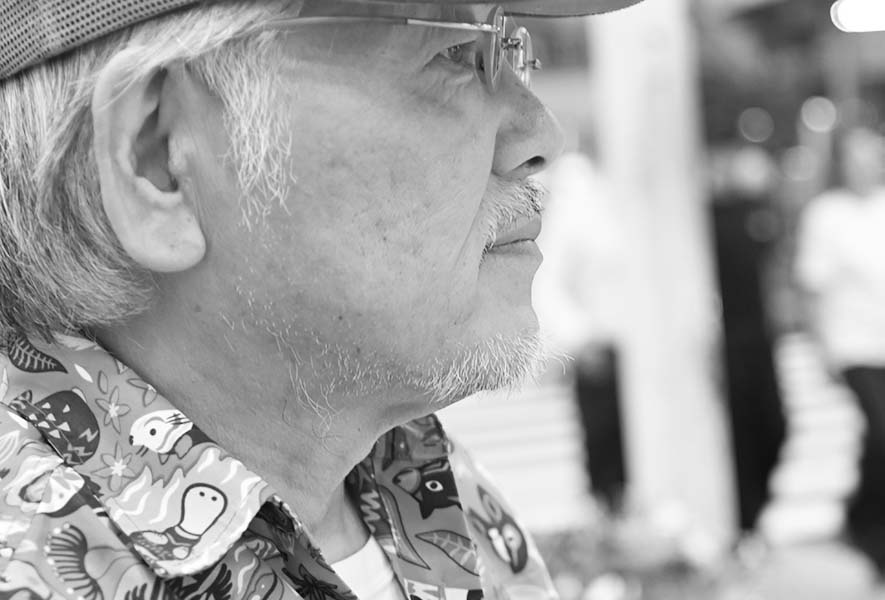
PHOTO: Mariko.A/STUDIO TALES
- Karin Noda — In the Cloth, There Are People
- A Chance Photograph Is Not Skill: Nishimoto Kazutami and Yūbi...


 English
  日本語
日本語  Français